
Elevate Team Dynamics Through Superior Professional Dialogue.
· Lukas Berger

In today's fast-paced work environments, the way teams communicate can make or break projects and relationships alike. Many organizations overlook the subtle art of professional dialogue, yet it holds the key to smoother collaborations and stronger outcomes. When colleagues engage with clarity and respect, misunderstandings fade, and productivity rises naturally.

Consider how a simple conversation can shift from tense to productive when everyone applies basic etiquette. For instance, listening actively without interrupting allows ideas to flow freely. This small habit alone can prevent conflicts before they start. Teams that prioritize such practices often report higher morale and fewer delays in their daily operations.
Building Foundations with Clear Expression
Professional communication starts with expressing thoughts in a structured manner. Instead of vague statements, using precise language helps others grasp intentions quickly. In negotiation scenarios, this precision becomes even more vital as parties work toward mutual agreements without unnecessary friction.
Training in these areas equips individuals to handle sensitive topics with confidence. They learn to frame feedback constructively, focusing on behaviors rather than personal traits. Over time, this approach strengthens trust among team members, creating an atmosphere where innovation thrives.
Negotiation Skills in Action
Effective negotiation goes beyond winning arguments. It involves understanding the other side's perspective and finding common ground. Professionals skilled in this can turn potential standoffs into collaborative wins. For example, during budget discussions, a well-prepared negotiator might highlight shared goals to ease tensions.
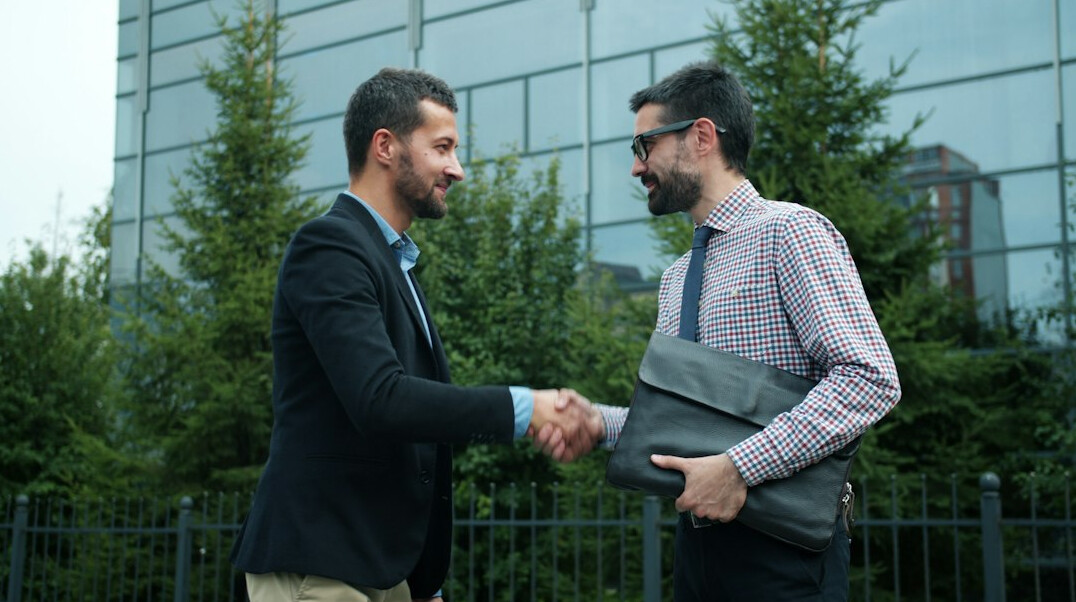
Public speaking etiquette plays a supporting role here too. When presenting proposals, maintaining eye contact and a calm tone conveys credibility. Teams benefit when members can articulate their positions persuasively in group settings, leading to decisions that everyone supports.
Practical Steps for Improvement
Start by assessing current communication patterns within your team. Identify areas where clarity is lacking or where emotions run high during exchanges. From there, introduce regular workshops focused on role-playing common scenarios.
- Practice active listening exercises in pairs.
- Review recorded meetings to spot improvement opportunities.
- Encourage written summaries after verbal discussions to reinforce understanding.
These steps, when applied consistently, lead to noticeable shifts. Members become more attuned to nonverbal cues and adjust their responses accordingly. The result is a workplace where dialogue elevates rather than hinders progress.
Superior communication turns everyday interactions into opportunities for growth and connection.
Investing in such skills pays dividends across departments. Sales teams close deals faster, project managers coordinate with ease, and leadership inspires greater loyalty. In essence, superior professional dialogue is not just a soft skill but a strategic advantage that reshapes team dynamics for the better.